The company shared outcomes at the American Diabetes Association Scientific Sessions (ADA 2026) in New Orleans.
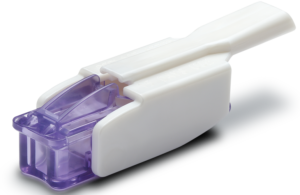
MannKind’s Afrezza (insulin human) inhalation powder is a fast-acting insulin formulation delivered through an inhaler device. MannKind engineered the mechanical inhaler device to slowly bring powder into the lung. A small compartment opens for the insertion of the insulin cartridge, then the user closes it. The only other component is a mouthpiece for the sake of cleanliness. Then, the inhalation takes just two seconds. It requires no electronics or extra components.
MannKind says its proprietary Technosphere drug delivery platform enables the rapid absorption of insulin into systemic circulation. The ultra-rapid-acting inhaled insulin taken when eating more closely mimics the body’s natural insulin response at mealtime.
The company just last week expanded Afrezza’s availability with FDA approval for children with diabetes.
Furoscix is the company’s on-body infusor for treating edema associated with chronic heart failure (CHF) and chronic kidney disease (CKD) in adults.
A look at the Afrezza data
MannKind shared a post hoc analysis from its INHALE-1 study assessing treatment satisfaction among pediatric Affreza patients. It evaluated participants achieving HbA1c below 8% at 26 weeks.
Those treated with inhaled insulin reported statistically greater improvements in treatment satisfaction compared to rapid-acting analogs (RAA). That satisfaction spanned across both teens and parents, while they achieved similar overall glycemic outcomes.
A subgroup analysis from INHALE-1 evaluated the efficacy and safety of inhaled insulin compared to RAA in children and adolescents with diabetes with baseline HbA1c ≤9.5%. After 26 weeks, inhaled insulin achieved non-inferior mean HbA1c compared with RAA. Time in range proved comparable between treatment groups, while rates of adverse events came in similar compared to adult data.
MannKind also shared an interim analysis of standardized meal challenges comparing safety and efficacy of inhaled insulin and RAA. It evaluated patients with gestational diabetes (GDM). Inhaled insulin demonstrated comparable efficacy to RAA. It also nominally reduced postprandial glucose excursions and fewer hypoglycemic events compared to RAA.
An exploratory analysis also looked at inhaled insulin in combination with automated insulin delivery (AID) for prandial and correction dosing. Findings suggest that glycemic outcomes may vary depending on whether AID algorithms are dependent on total daily dose (TDD), with numerically greater A1C reductions observed in systems not reliant on TDD.
Finally, a new analysis of euglycemic clamp data compared inhaled insulin to insulin lispr. It showed that inhaled insulin delivers a substantially greater proportion of its pharmacodynamic effect earlier. That registered at more than 50% with inhaled insulin within 60 minutes compared to 10% for lispro.
Additional findings
MannKind also presented a number of analyses further characterizing inhaled insulin and Furoscix in clinical and real-world settings.
The company shared dosing strategies and postprandial glucose control in adults with type 1 diabetes. Outcomes suggested that inhaled insulin resulted in improved glucose excursions with higher doses when adjusted for body weight compared to RAA.
Additionally, MannKind shared the impact of the Inflation Reduction Act on access to Afrezza. It saw increased Medicare Part D utilization following the implementation of the insulin cost cap.
The company said a real-world evidence study evaluated incident lung cancer risk among adults with type 2 diabetes. It demonstrated no increased incidence among inhaled insulin users compared to other insulin treatment cohorts.
Finally, investigators evaluated Furoscix in populations with comorbid conditions. Specifically, they looked at patients with diabetes who experience fluid overload due to heart failure. It found that treatment with Furoscix demonstrated lower rates of hospitalization as well as longer time to hospitalizations compared to the standard of care.
MannKind said the data underscore its commitment to advancing the clinical understanding of inhaled insulin and strategies for supporting individualized diabetes management.
Commentary from MannKind officials
Michael Castagna, CEO of MannKind, said:
“These new data reflect the continued momentum of our innovation in diabetes care and the strength of our commitment to expanding treatment options for people aged 6 and older living with this condition. As we look ahead, we remain focused on advancing our pipeline, broadening access, and delivering therapies that better align with the real-world needs of patients.”
Dr. Kevin Kaiserman, SVP and therapeutic area head – diabetes for MannKind, said:
“As we continue to advance care for people living with diabetes, and on the heels of the recent approval of Afrezza in children and adolescents aged 6 and older, the data presented at this year’s ADA meeting further reinforce its established safety and efficacy, while also highlighting benefits that extend beyond glycemic control and into patients’ daily lives. We are committed to expanding meaningful treatment options that can help people better manage their diabetes in a way that works for them, and the growing body of evidence for Afrezza supports a more individualized and patient-centered approach to care.”