 Counterfeit drugs and medical devices are a pervasive problem for the pharmaceutical industry and for consumers. It’s an issue that affects countries around the world, according to SICPA, a firm that has developed secured identification and traceability solutions for companies to assess and manage risks to their products.
“In places like Sub-Saharan Africa, 30-40% of all medicines are believed and documented to be counterfeit,” SICPA’s VP Richard Einhorn told Drug Delivery Business News.
The Internet has made the problem of counterfeit drugs a global issue. Online pharmacies sometimes label themselves as Canadian to boost their consumer acceptance. Criminals use encrypted software and other tools to traffic addictive drugs, including fentanyl and other dangerous opioids.
“That’s a very difficult point of sale to control,” Yann Ischi, director of new channels and partnerships, said.
SICPA’s services range from counterfeit materials to addressing problems of diversion – when a product is intended for one market but ends up being used by a different population.
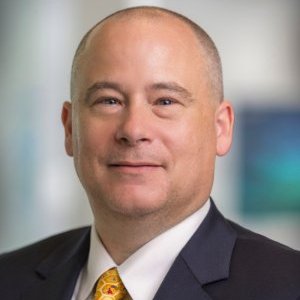
And the issues don’t just happen in the distribution chain, according to Einhorn. SICPA’s team also tries to help companies identify potential risks to their own supply chain. As an example, Einhorn pointed out what could happen if someone working on a medical device decided to switch to a cheaper plastic without doing the proper analyses.
“What happens if you want to use an EpiPen but it breaks because somebody upstream decided to save a couple pennies? Now you can’t deliver that lifesaving drug,” he said.
In some cases, the products that SICPA’s technology looks at are flat out counterfeit. In other words, the drugs are being sold as aspirin, but they’re really sugar pills. In other cases, the product has been diluted, which Einhorn said is often the case with biologics.
“The counterfeiters are pretty good about copying the logos, copying the way a product looks,” he said. “But what they’re not good at is copying security features that have been added, whether it’s on the blister pack, on the tamper-evident seals or on the drugs themselves.”
One of the services that SICPA offers is its Plastiward system, which enables companies to combine an identifiable and traceable tag with the plastics used to build medical devices.
Integrating a specific tag into the plastic has “almost no impact on the production process,” according to Ischi.
A handheld detector can later be used to authenticate if a product is real or fake. The detect connects to an app which sends information to the company’s headquarters to conslidate the information into a legal report.

“You can get pictures, you can scan the barcode, you do many other things on top of having a “yes/no” validation of the device,” Ischi said. “That’s reported to the anti-counterfeiting team and then to the legal team to take action.”
Product security and anti-counterfeit measures aren’t always priorities for small companies. But Einhorn thinks that it should be.
“A lot of these companies are at the cusp of commercialization,” he said. “Many of them are so focused on getting out a product, that they sometimes miss some of the most important things, such as sustainability of their business.”
Especially if a company is looking to be acquired, Einhorn said they need to ensure that there are no risks to their early commercial product.
Often companies approach SICPA at the point of crisis – their product is already at risk thanks to a counterfeit that is circulating on the market.
“Its very difficult at that point to then deal with it because you’ve already set up your supply chain. You have to go in and look at your entire supply chain and figure out where that risk is coming from,” Einhorn said. “We wish more and more people would come to us earlier in that process so that they’re thinking about that before hand.”