The deal will support up to five R&D programs targeting monthly and quarterly injections, as the drugmaker looks to extend the reach of its GLP-1 blockbusters for obesity, type 2 diabetes and cardiometabolic conditions.
An initial €615 million will cover an upfront payment plus certain regulatory milestones, with the remaining payout tied to revenues. Additionally, Nanexa will have the opportunity to collect single-digit royalties on future global net sales.
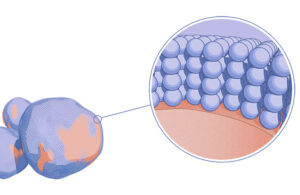
Novo plans to employ the company’s PharmaShell technology to offer controlled-release doses through a self-administered injector. Nanexa’s approach encapsulates the active pharmaceutical ingredient with a dense, inorganic coating, applied through a gas-phase process similar to semiconductor manufacturing known as atomic layer deposition. This forms a depot for the drug at the injection site that dissolves over time.
By building the nanoparticle coating layer by layer, PharmaShell can tailor the thickness and extend the drug’s release profile across weeks or months. Nanexa has said its platform can work with peptide medicines like GLP-1s, as well as biologics including proteins, monoclonal antibodies, oligonucleotides and mRNA.
Nanexa previously signed a $500 million deal with Moderna in December of last year to develop PharmaShell for its mRNA-based therapeutics, with $3 million upfront.
“We are very excited about and proud of this license agreement with Novo and look forward to working with them to successfully develop products with less frequent dosing in obesity and type 2 diabetes indications,” Nanexa CEO David Westberg said in a statement.
“Following our license and option agreement with Moderna in 2025, this agreement further strengthens the external validation of PharmaShell as a broadly applicable drug delivery platform and we believe this provides a strong foundation for expanding PharmaShell into additional therapeutic areas and to selectively advance additional internal programs towards clinical proof of concept, allowing us to capture greater value from the breadth of the PharmaShell platform,” Westberg added.
Nanexa’s stock rose more than 150% on the news last week, jumping from about 6 SEK kr to more than 15 on Nasdaq Stockholm, before settling to about 12.
Earlier this year, Novo also teamed up with the California-based Vivani Medical to test out its NanoPortal platform and a long-term semaglutide implant in clinical trials. Vivani previously showed its subdermal system could continually deliver the GLP-1 for a full year and logged more than 20% sham-adjusted weight loss in a first-in-human study.