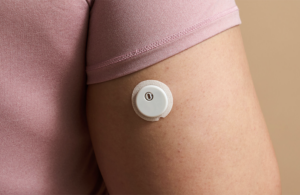
The roll out of the new continuous glucose monitor, which also tracks ketone levels to safeguard against diabetic ketoacidosis, will come after its international debut set for this fall, following its CE Mark this past May.
As part of the company’s third-quarter earnings report, CEO Robert Ford said he expects Libre Duo to serve as a solid growth driver in 2027, as additional reimbursement coverage for the system in type 1 diabetes comes online.
“We’re going to have a benefit here in the U.S. from a pretty significant payer formulary coverage that flipped in our favor, and that’s going to go into effect January 1,” Ford said on a call with investors. “There’s a lot of growth opportunities that we’ve got in our diabetes business… But at this point, I’d say we got to make sure we get the pricing aspect right.”
Earlier this year on the company’s second-quarter earnings call, Ford said Abbott was in talks with “a dozen or so” countries to establish reimbursements.
But obtaining new CGM coverage in type 2 diabetes, including in Medicare, might still be further out. Ford said today the company isn’t forecasting when it will see reimbursement in the non-insulin user population, despite clinical data showing glucose readings can help guide behavior changes.
Related: Abbott wins FDA authorization for dual glucose-ketone sensor
In the meantime, Ford said Abbott also plans to chase data for additional biomarkers and develop new wearables.
“We’re making investments in our Libre platform, not just on a new diabetes sensor, but also looking at how to use the platform that we’ve built — the manufacturing, the technology platform — to expand into other analytes,” Ford said, adding that the company is now going into a clinical trial with a lactate sensor.
In its third-quarter results the company logged 7.3% growth in CGM sales, with its diabetes care division as a whole posting $2.19 billion in global revenue for a 6.2% year-over-year gain. That included $872 million in U.S. sales and $1.31 billion gathered internationally, and came in slightly below Wall Street’s $2.20 billion estimate for the division.
Ford also said he expected diabetes growth to slow slightly, compared to the company’s previous forecasts in the high-single digit range.
“If I look into Q4 right now, and probably for the next few quarters, I expect that growth rate to be in the low to mid-single range. And that change really reflects two things,” he said. “One of them is a little bit of a harder challenge in penetrating the type 2 population in absence of the reimbursement expansion. So that’s probably one key driver… and I think the other element that we’re seeing is a little bit more pricing pressure in the international markets.”
At the same time, Abbott announced that it plans to spin out its Nutrition business, with the goal of forming an independent maker of baby formula and adult supplement drinks by the end of 2027. As a whole, Abbott posted $13.01 billion in revenue for the third quarter.