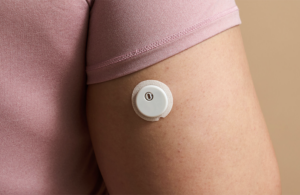
The authorization of the Libre Duo 10 Day system — which provides 10 days of wear time — comes three months after the company reported a CE mark in the EU for the Libre Duo and Libre Duo 10 Day systems.
Abbott describes Libre Duo as the world’s first dual glucose‑ketone sensing technology. On top of acting like a standard continuous glucose monitor (CGM), Libre Duo systems can sense rising ketones that can lead to a diabetic ketoacidosis (DKA) emergency.
Libre Duo systems continuously monitor both glucose and ketone levels, reducing reliance on blood or urine ketone tests that capture a single moment in time. This helps people monitor their glucose levels while alerting them to rising ketones so they can act sooner to avoid a potential emergency.
“If glucose is the speedometer, ketones are like the check engine light—providing an alert that something may need attention,” said Chris Scoggins, EVP of Abbott’s diabetes care business, said in a news release. “Libre Duo 10 Day brings both glucose and ketone levels together in a single dashboard, providing a more complete picture to help people with diabetes make more informed decisions.”
Dr. Jennifer Sherr, pediatric endocrinologist at Yale School of Medicine, said: “Abbott’s dual glucose-ketone system is meaningful because ketone data is collected in the background, helping provide earlier awareness of rising ketone levels.”
Chris Scoggins discussed the sensor’s potential with Drug Delivery Business News last year. Early this year, Abbott shared study data outlining the growing burden of DKA.
The FDA nod for Libre Duo 10 Day should help advance Abbott’s work with leading pump companies to enable automated insulin delivery (AID) systems. Abbott expects Libre Duo 10 Day to work with Beta Bionics’ iLet and Sequel Med Tech’s twiist AID systems by the end of this year and with Insulet and Tandem devices next year. In addition, Abbott and MiniMed are partnering on an exclusive integration between Abbott-manufactured dual glucose-ketone sensors and MiniMed smart dosing systems, expected in 2027.