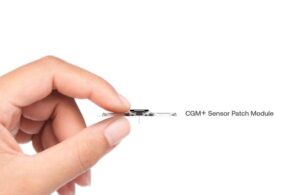
Dublin, Ireland-based Trinity unveiled the CGM+ next-gen wearable biosensor in July 2025. With CGM+, the company aims to take on the growing AI wearables market. The company said it has the system in the later stages of device development. The new AI-native CGM combines multi-sensor data with real-time analytics to meet the evolving demands of AI-powered healthcare and wellness. It could offer a fingerstick-free, calibration-free CGM option amid a competitive market.
Trinity reported positive clinical trial results for the system in August 2025. It said the data confirmed that the system offers enhanced user convenience, comfort and reliability. The company believes the clinical validation marks a critical step toward commercializing the platform.
Now, the company says it anticipates the initiation of a pivotal clinical trial this year. It continues to further optimize the sensor’s architecture to collect multiple physiological metrics alongside glucose. Once it kicks off the clinical trial, Trinity anticipates regulatory submissions in key global markets immediately thereafter.
More on the development progress for Trinity Biotech
Trinity said it has, to date, collected more than 650 days of clinical testing for its updated glucose sensor architecture. Its updated system delivered improvements in glucose measurement accuracy across multi-day wear. The company believes its results demonstrate the system’s ability to meet the industry standards for CGM accuracy.
New electronics included in CGM+ also underpin its multimodal data-capture capabilities, which support advanced, AI-driven analytical models. The company said this positions the sensor as an enabling platform for broader, AI-enhanced digital health.
Trinity said that next-generation components also enable CGM+’s user-friendly, modular design. It believes this design can drive significant cost and sustainability benefits compared to currently available CGMs.
Other advances with the sensor include successful trials on an updated, needle-free glucose sensor insertion process. The process supports the next-generation design.
Trinity believes its latest breakthroughs significantly strengthen the device’s technical readiness, reduce system level risk and support the sensor’s progression toward regulatory approvals and widespread commercialization.
“CGM+ has the potential to make high quality metabolic intelligence more affordable, more intuitive, and more widely available than ever before,” the company says.
Commentary from the company’s president and CEO
John Gillard, Trinity Biotech president & CEO, said:
“These are some of the most important technical advancements to date in our CGM+ development program. The glucose measurement accuracy gains achieved by the incorporation of key components of our enhanced electronics architecture gives us strong conviction to accelerate into pivotal trials this year. The fact that these enhanced electronic components also underpin our innovative multi-modal sensing architecture gives us a valuable foundation from which we intend to deliver a truly differentiated device, CGM+, to key markets globally.
“Metabolic health problems sit at the center of the world’s disease burden, with rising incidence of obesity, diabetes, hypertension, and related cardiometabolic disorders. In everyday life, metabolic health shapes how we perform, recover, and age. Key metabolic health factors include glucose levels, activity, sleep, and stress – metrics that are measurable and personalized. Using AI-native health monitoring, CGM+ is being designed to translate these metrics into powerful insights to support better metabolic health.
“Our innovation agenda is central to our growth ambitions at Trinity Biotech, and our latest results highlight our commitment to deliver industry-leading innovation, precision, and quality. We are excited with what we have achieved, and we are increasingly confident that CGM+ provides Trinity Biotech with the platform to deliver a significant step-change in the growth and scale of the company. We look forward to initiating a pivotal clinical trial and bringing this important solution to market.”