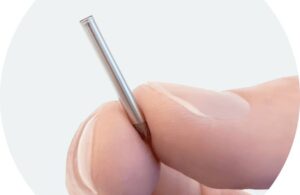
Alameda, California-based Vivani completed LIBERATE-1, which evaluated its miniature GLP-1 implant in obese and overweight subjects. The company initiated its LIBERATE-1 trial at two centers in Australia at the end of 2024. This study followed FDA approval for an investigational new drug (IND) application for the company’s implant in June 2024.
Vivani wants to advance its proprietary NanoPortal drug implant technology. Vivani designed NanoPortal technology to steadily deliver medication over extended periods of time. The company aims to guarantee correct doses for patients while avoiding potential safety concerns around fluctuating drug release profiles. It can also deliver large hydrophilic molecules, including peptides and proteins. The company believes this enables a broader range of therapeutic applications.
LIBERATE-1 evaluated NPM-115, a miniature, ultra-long-acting exenatide implant. Vivani is currently advancing NPM-139, its semaglutide implant toward clinical development. The company expects to initiate the Phase 1 clinical study by mid-2026 with results available by the end of 2026.
Single preclinical administration of the implant demonstrated continued semaglutide exposure and greater than 20% sham-adjusted weight loss for a full year.
Vivani continues to advance these technologies as it focuses on GLP-1 implants with plans to spin off its neurostimulation implant.
“The decision to focus on semaglutide was made based on the combination of promising initial preclinical semaglutide implant feasibility data and encouraging results from LIBERATE-1, the first-in-human application of our proprietary NanoPortal implant technology with exenatide,” said Vivani CEO Adam Mendelsohn. “Our GLP-1 implant candidates are unique because of their potential for both once- or twice-yearly administration and the ability to quickly eliminate GLP-1 levels between scheduled administrations if that became necessary. Because GLP-1 based medicines are contraindicated for prevalent conditions such as pregnancy, and because GLP-1 discontinuation is recommended before certain procedures such as surgeries with high aspiration risk, the ability to quickly cease treatment will be a critical feature in any GLP-1 based product that provides sustained delivery for many months at a time.”