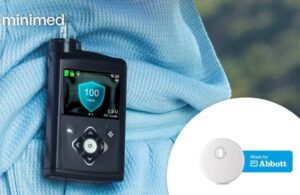
First, the FDA granted clearance for its SmartGuard algorithm as an interoperable automated glycemic controller (iAGC). This enables integration with a sensor made by Abbott, designed specifically through a collaboration between the medtech giants. Second, the FDA approved MiniMed 780G for adults with insulin-requiring type 2 diabetes, making it the latest automated insulin delivery system given the green light to expand to this broad patient population.
These milestones widen the addressable market for the Medtronic Diabetes business, which the company plans to separate in the next 15 months or so. The company announced in May that it planned to separate the Diabetes unit into a standalone, publicly traded company.
The Medtronic Diabetes Business is one of the largest diabetes tech companies in the world — learn more about the company and the rest of the diabetes space by downloading our free Diabetes Technology Special Report.
MiniMed 780G, the company’s latest-generation AID system, offers meal detection technology and provides automatic adjustments and corrections to sugar levels every five minutes. This occurs for both basal (background) and bolus (mealtime) insulin needs.
“These milestones mark an important next step in our work to bring the proven performance and outcomes of our MiniMed™ 780G automated insulin delivery system to more people living with diabetes. By enabling integration with the Instinct sensor and expanding the MiniMed 780G system to people with type 2 diabetes, we are advancing a smart dosing ecosystem designed to provide greater choice and flexibility, along with a more seamless experience,” said Que Dallara, EVP and president of Medtronic Diabetes and CEO-designate of MiniMed. “We’re excited to expand our ecosystem of solutions under one roof with service our customers can count on around the clock.”
Medtronic and Abbott hit major milestone in partnership
Medtronic and Abbott announced just over a year ago that they entered into a global partnership pairing Abbott continuous glucose monitors (CGMs) with Medtronic insulin delivery systems.

Last month, Medtronic provided a sneak peek at the Instinct sensor designed for its systems. The sensor, built on the Abbott FreeStyle Libre platform, reflects “the power of the partnership,” Abbott EVP, Diabetes Care, Chris Scoggins, told Drug Delivery Business News earlier this year.
Today’s clearance, alongside the previously cleared MiniMed 780G insulin pump as an alternate controller-enabled (ACE) pump, completes Medtronic’s premarket approval pathway to integrate Instinct with MiniMed 780G for people with type 1 diabetes. Medtronic labeled Instinct as the world’s smallest, thinnest, most discreet integrated CGM with a wear time of up to 15 days.
In the coming weeks, the companies plan to complete their required compliance documentation to enable integration and marketing. This would finalize the regulatory process, at which point they expect to begin ordering for Instinct with MiniMed 780G. The company also plans to begin pre-orders for its Simplera Sync sensor later this month.
“We’re working together to do what’s best for people living with diabetes,” Scoggins said in a news release. “Abbott’s biowearable technology has long set the standard for accurate, accessible, easy-to-use continuous glucose monitoring. Connecting it with the MiniMed™ 780G system aims to reduce the mental load of daily management, making it easier for people to live with diabetes.”
The long-awaited expansion to type 2 is here
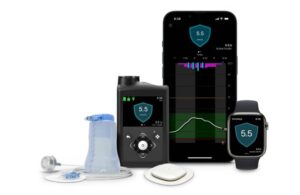
Medtronic in June shared positive clinical outcomes for the population, then picked up CE mark for type 2 a month later.
FDA approval makes MiniMed 780G the first automated insulin delivery system with Meal Detection technology available to this population, Medtronic said.
Currently, the company offers MiniMed 780G for type 2 diabetes with Medtronic’s Guardian 4 sensor. That will change with the rollout of Simplera Sync later this month, making two options available for type 2. Medtronic also plans to submit 510(k) applications seeking clearance for an interoperable pump indicated for type 2 to enable future integration with Instinct for this population.
“This approval extends the benefits of automated insulin delivery to people with type 2 diabetes,” said Natalie Bellini, endocrine nurse practitioner and program director for Diabetes Technology at University Hospitals in Cleveland, Ohio. “It also aligns with the ADA Standards of Care, which now formally endorse AID systems for individuals with type 2 diabetes on intensive insulin therapy.”