The company plans to expand access to automated insulin delivery for people with type 1 diabetes through a wider rollout of the pump, making it fully available nationwide.
Manchester, New Hampshire–based Sequel built its twiist system to represent the next generation of insulin delivery. It measures the volume of insulin delivered and adjusts basal doses to the user’s needs, while delivering blockage alerts and more innovative features. Sequel won FDA clearance for twiist in March 2024.
Sequel now offers twiist through pharmacy channels with a flexible access model. It allows users to start for $0 in the first month, then pay no more than $50 per month thereafter, without long-term commitments.
“With twiist now accessible to more people than ever before, we’ve reached a meaningful milestone for Sequel and for people living with type 1 diabetes,” said Sequel CEO and co-founder Dr. Alan Lotvin. “twiist was built to fit into real life, combining precise insulin delivery, an advanced algorithm, and a user experience shaped by the lived experience of people with diabetes. The result is automated insulin delivery designed to deliver the benefits of automation with precision while creating greater personalization and choice.”
More about twiist
Combined with the twiist Loop algorithm, powered by Tidepool, the pump directly measures the volume of insulin delivered with every microdose. The pump will also work with Diabeloop’s DBLG2 algorithm, with the company expecting a launch for that integration in 2027. It offers the capability and flexibility to address each patient’s individual dosing needs. Sequel’s system utilizes sound waves that measure each pulse of insulin. This enables precision and helps understand exactly how much insulin the patient receives in a dose.
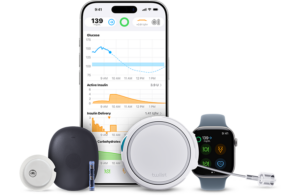
The company says twiist is now offering people with type 1 diabetes a more customized approach to managing their condition. It also delivers confidence through prompt alerts when something isn’t right. Thus far, the system has demonstrated a 90% reduction in severe low blood sugar levels, Sequel says.
Speaking about the company’s mission during a virtual roundtable event ahead of the launch announcement, Lotvin explained who the company is targeting with its technology.
“It is an incredibly heterogeneous group of people who have different needs, wants, desires and lifestyles,” he said. “To believe that one size is going to fit everyone is just silly. We’re going to help you manage your diabetes the way you want.”
More takeaways from the Sequel roundtable event
Lotvin explained during the event that twiist provides users with a wide range of options, giving them flexibility in choice and the ability to pick the pump and sensor combination that works best for them.
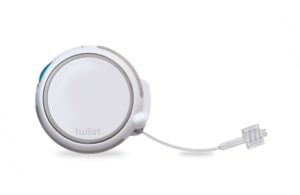
“If you want to use an implantable sensor, great,” Lotvin said. “We’re the only pump that connects with one. Want to use a Libre 3 Plus? Great. If you want to have more than one algorithm, we have a second one that we’re in the process of getting FDA-cleared. … You can choose how you wear it. If you want to wear it on the body, you can do that. You want to stick it in your pocket, you can do that.
Dr. Joanna Mitri, Sequel’s chief medical officer, echoed Lotvin’s sentiment.
“People have different goals, different lifestyles, different preferences, even down to which CGM they want to use,” Mitri said. “We think that technology actually has to adapt to them, and not the other way around.”
Mitri went on to describe the importance of fostering belief in the technology they use.
“Confidence really matters for people who really depend on insulin every day, especially those with type 1 diabetes,” she said. “Reliability isn’t theoretical. If a system is unpredictable, hesitation is going to be natural at the end of the day. Technology only works when people trust it.”
Lotvin concluded by outlining the company’s confidence in its own technology.
“We brought to market a truly revolutionary piece of technology,” he said. “It is the only piece of technology in the world that directly measures how much drug is given to a person every time it fires. We can translate that into better outcomes with all the analytic tools that are available to us. I couldn’t be more excited.”